
The program is built around the right people.
High-school students need more than a match with someone studying the subject. GRF is built around direct access to established professors and field practitioners, with the mentor’s relevance and responsibilities treated as part of the program itself.
Two tracks. One standard of work.
The difference is not whether the work is serious. It is the amount of individual attention, the shape of the project, and whether the student learns inside a small research desk or through a fully private mentorship.
Research Desk Cohort
Five Fellows examine one major market theme from different angles. Each student owns an individual question and completes an individually authored report. Completed reports are featured together on the GRF website in a cohort collection.
- FormatLive online, worldwide
- Cohort5 Fellows, Grades 9–12
- Length6 weeks, September 14 to October 25, 2026
- Live time6 sessions, 7 hours total, led alternately by Alex Dryden and Dr. PK
- Workload6–8 hours per week, including the session
- Aid25% or 50% need-based aid
Primary output
A 2,000–2,500-word report under the student’s own name, featured with four other reports on the GRF website in a Research Desk cohort collection.
Private Research Mentorship
A one-to-one research program built around one student’s interests. The question, mentor match, source base, schedule, and revision process are shaped around the individual project.
- FormatPrivate 1:1 mentorship
- AdmissionRolling, subject to mentor availability
- MentorMatched to your question and named before you enrol
- ScheduleSet with the matched mentor
- QuestionIndependent and chosen around your own interests
- AidNeed-based support up to 50%
Primary output
An independently authored finance research paper, with honest external submission guidance where the quality and venue are genuinely aligned.
From a real question to work a student can defend.
Both program paths use the same underlying research discipline. The mentor does not hand the student a conclusion; the process teaches the student how to earn one.
Question
Turn genuine curiosity into a finance question narrow enough to investigate properly.
Source base
Find credible reports and data, then decide what each source can and cannot prove.
Thesis
Move from an interesting topic to a clear view supported by the strongest evidence.
Revision
Challenge weak claims, confront counterarguments, and replace evidence that does not hold.
Final output
Complete work the student can explain, present, and defend without hiding behind jargon.
Six live sessions. Seven hours with a named mentor.
This is the Research Desk calendar for September 2026. Each live session sets direction; the reading, evidence work, drafting and revision happen between meetings. Private mentorship runs the same discipline on a schedule set with the matched mentor.
Follow the money
Frame a meaningful angle inside the shared desk question.
Build the question
Define scope, research standards, and an evidence plan.
Read the market
Interpret signals, incentives, and competing explanations.
Construct the argument
Organise the evidence into a coherent provisional thesis.
Defend the view
Present the reasoning, absorb challenge, and identify what would invalidate it.
Finish the research
Refine structure, citation, precision, and the final report.
September 2026 desk question: Big Bets, Big Risks — how do markets decide what is worth funding? Expect 6–8 hours of work per week, including the live session. Fellows who complete the program receive a GRF Research Fellow Certificate of Completion.
Named people. Defined responsibilities.
GRF does not ask families to trust the size of a mentor pool. The people guiding the Research Desk are named below: a practitioner who understands the markets, a university professor who sets the research standard, and a program director who keeps the work moving.
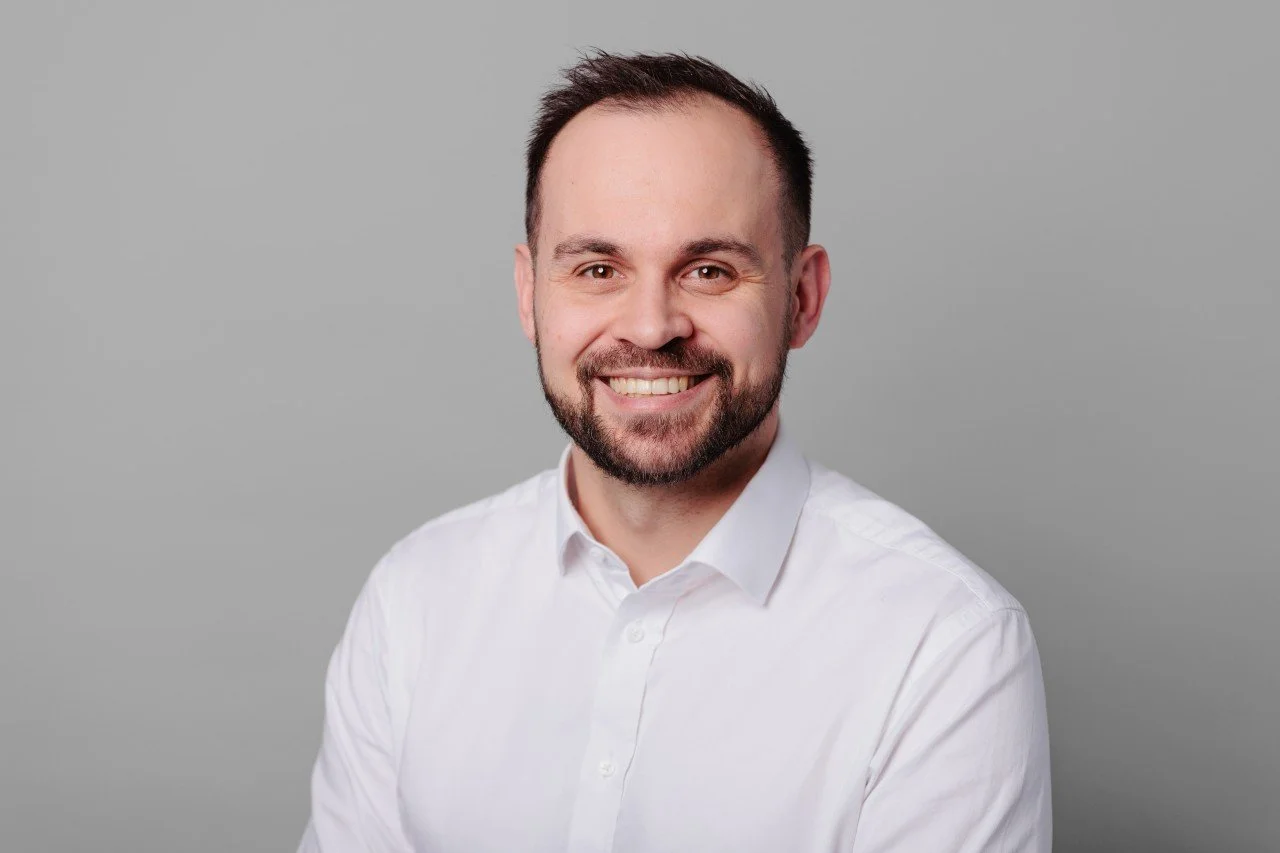
Alex Dryden
Lead Market Mentor · Former Executive Director, J.P. Morgan Asset Management
Alex runs the market half of the desk: sovereign risk, currencies, bonds and macroeconomic signals, and the judgement calls an analyst makes when the evidence is incomplete.
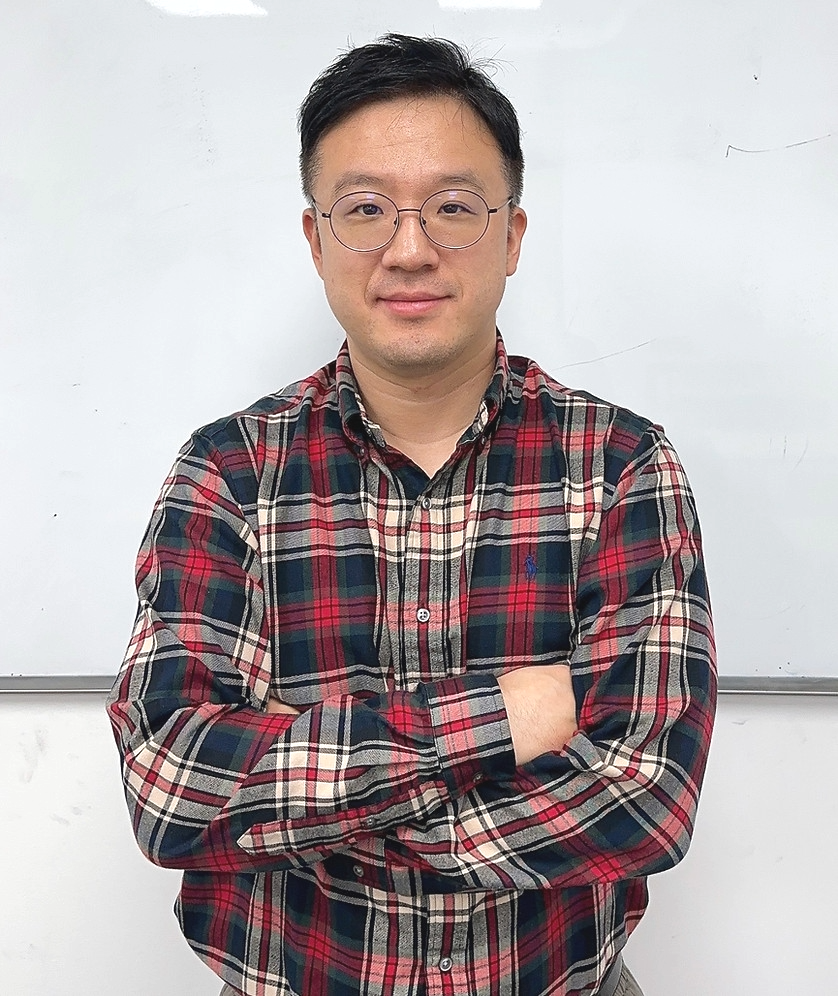
Dr. PK
Academic Director · Curriculum and Research Structure
Dr. PK sets the standard the paper is held to: methodology, source evaluation, argument structure, drafting, citation, and the final academic review.

Aaditya Singh
Founder and Program Director · Student Experience
Aaditya coordinates the mentor match and the feedback loop, tracks every draft against the six-week schedule, and handles admissions and family questions directly.


Professional and academic backgrounds of GRF program leaders. GRF is not affiliated with or endorsed by these organizations.
Questions drawn from the forces that move markets.
Projects vary by cohort theme, mentor expertise, and student interest. GRF focuses on areas where the team can supervise the evidence and argument properly.
Sovereign risk
Debt sustainability, reserves, refinancing pressure, institutional credibility, and the path toward default.
Currencies
Exchange-rate regimes, capital flight, balance-of-payments stress, and what central banks can defend.
Private markets
How loans are structured and refinanced, and what changes when access to credit becomes harder.
Global capital
How policy, trade, demographics, and country risk change the direction and price of capital.
The right fit depends on the work you need to do now.
The cohort is not a lesser version of private mentorship, and private mentorship is not automatically the right choice. It depends on how independent you already are, how specific your question is, and how much individual attention the project needs.
The Research Desk is the right fit for you if…
- You want fixed weekly sessions and four other Fellows who will notice when your draft is late.
- A shared theme — September 2026 is Big Bets, Big Risks — gives you enough structure to start from.
- You want a 2,000–2,500-word report under your own name at $1,000 rather than $4,999.
- You can give 6–8 hours a week to a fixed schedule between September 14 and October 25, 2026.
Private mentorship is the right fit for you if…
- You already have a specific question of your own, rather than an angle on someone else’s theme.
- You need a mentor matched to that question and a source base built around it.
- You want closer review of scope, thesis, evidence and revision than a five-person desk can give.
- A rolling start and a schedule set with your mentor matter more than a fixed cohort calendar.
Substance that remains after the program ends.
The value is not a line on an activities list by itself. It is the evidence of sustained curiosity, analytical writing, independent thought, and the ability to finish difficult work.
A clearer intellectual lane
Students move beyond saying they are interested in finance and develop a defined question, argument, and evidence base.
Work worth discussing
A strong report gives students something concrete to explain in essays, interviews, research conversations, and future applications.
A method they can reuse
Students learn how to frame a question, select evidence, defend a view, accept criticism, and revise with purpose.
GRF does not guarantee college admission, publication in an external journal, or a particular career outcome. Completed cohort reports are featured on the GRF website in a cohort collection; that is a program showcase, not journal publication. External submission guidance is offered only when the work and a suitable venue are genuinely aligned.
Choose the structure. Then do the work.
Explore the five-student Research Desk Cohort or the private one-to-one mentorship in detail before applying.